What Is a Mortise Lock and Why Do Older Dedham Homes Still Have Them?
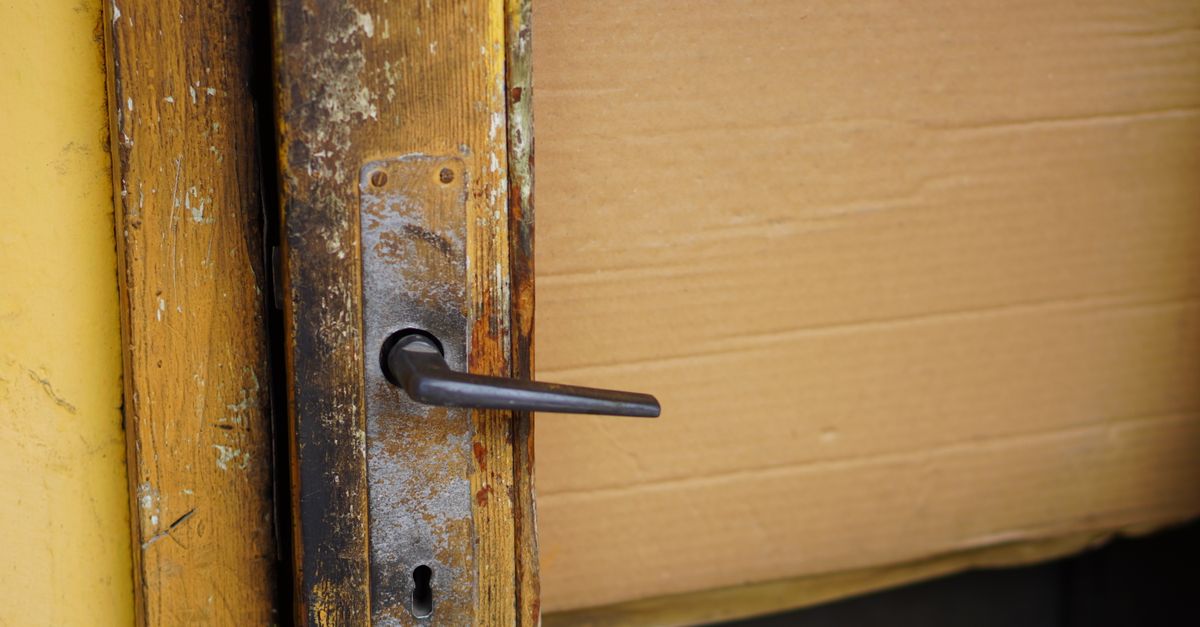
A mortise lock is a lock body that fits inside a deep, rectangular pocket — the mortise — cut directly into the edge of a door. Unlike a cylindrical lock that sits in a bored hole, the mortise lock set integrates the latch, deadbolt, and sometimes a strike guard all within a single cast-iron or brass case. This design made mortise hardware the premier choice for residential and commercial construction from roughly the late 1800s through the mid-20th century, which maps almost exactly to Dedham's most prolific building periods. Many homes in the Fairbanks and Riverdale neighborhoods still have their original mortise hardware — sometimes stamped with maker names that have long since been acquired or retired. Brands like Corbin Russwin, which has been manufacturing institutional and residential lock hardware since the 1800s, supplied much of what ended up in New England homes and public buildings of that era.
The durability of these mechanisms is a genuine virtue, but it creates a specific maintenance challenge: when something does fail inside a mortise lock body, the repair is not as straightforward as swapping a cylindrical knob. The case must be removed, the internal components inspected, and worn or corroded parts either adjusted or replaced. In humid New England winters and hot summers, the wood surrounding the lock pocket can swell and contract, putting lateral stress on the lock case and eventually causing the mechanism to bind. This is the most common complaint we receive from Dedham homeowners: a lock that worked fine for years and suddenly feels stiff, refuses to latch properly, or requires the door to be lifted or shouldered to engage the bolt.