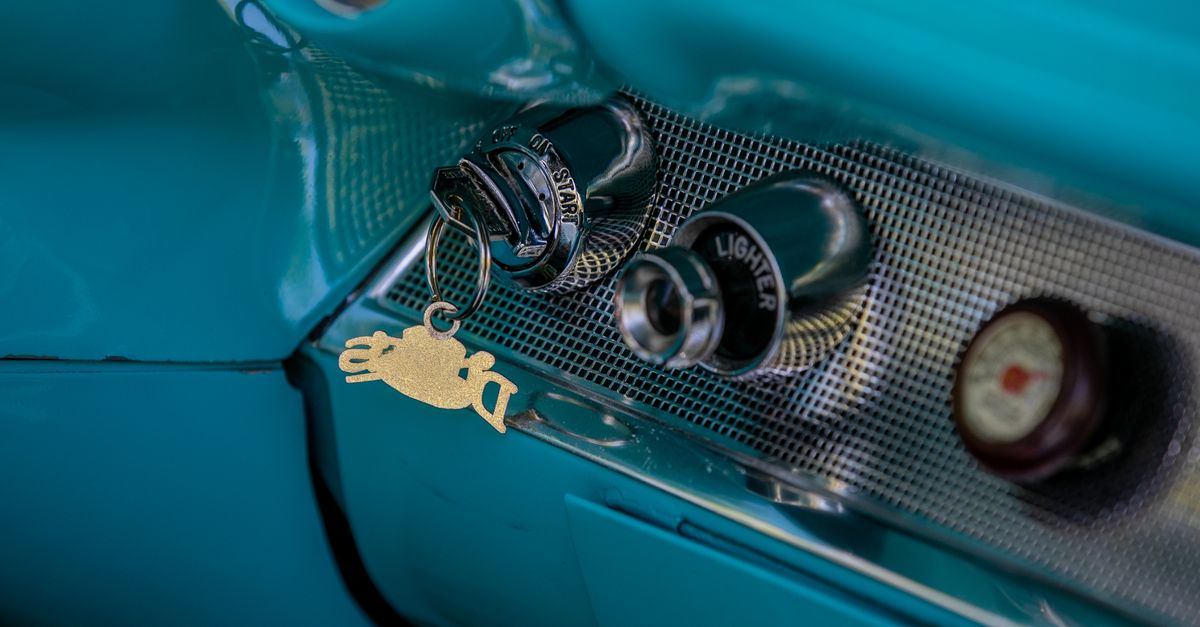
Chevrolet Car Key Replacement: Understanding What's Actually in Your Key
Not all Chevrolet keys are the same, and that distinction drives everything about how a replacement is made. Older Chevy models used basic mechanical keys — a metal blade cut to match the ignition and door locks. Starting in the late 1990s and accelerating through the 2000s, GM introduced transponder keys that contain a small embedded microchip. When you insert the key and turn the ignition, the car's ECU sends a radio-frequency signal to the chip; if the chip doesn't respond with the correct code, the engine won't start even if the blade is cut perfectly. Then came remote head keys and key fobs that combine the mechanical blade with lock/unlock/panic buttons, followed by proximity smart keys (also called keyless entry or push-button start keys) used in many current Chevy models including the Blazer EV. Each generation requires a different process: cutting, programming, or both.
Our technicians are equipped to handle every tier of Chevrolet key technology. We use professional-grade key programmers that interface with Chevy's immobilizer and security systems to pair a new key to your specific vehicle's VIN. This is exactly what a dealership does — we simply do it at your location, on your schedule, without the wait. If you own a Chevrolet Blazer EV and find yourself locked out of your car or dealing with a dead or damaged smart key, we treat that situation with the same urgency as any conventional vehicle lockout. Call (781) 610-5919 any time — day or night — and we'll dispatch a technician to you.